
Investigroup NP Nonprofit Corporation

Introduction of the Organization
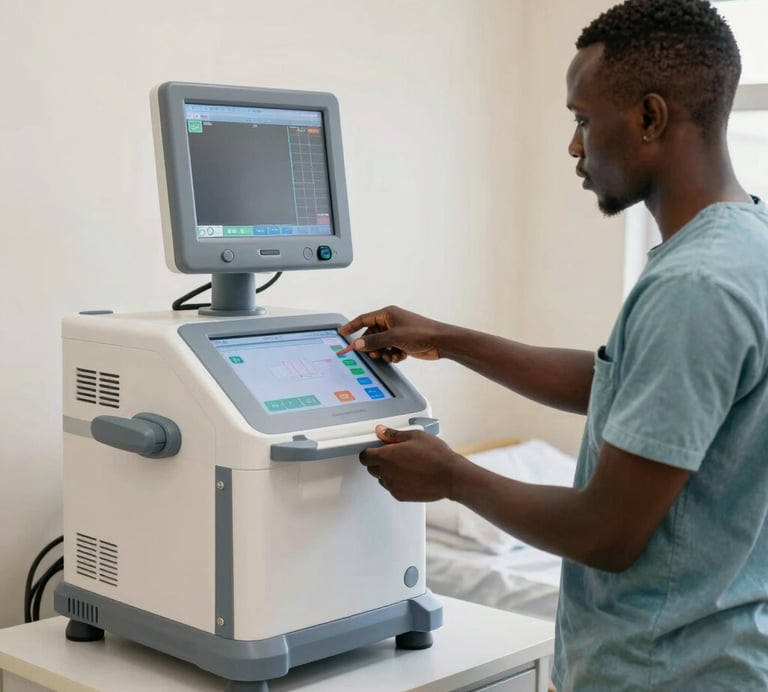
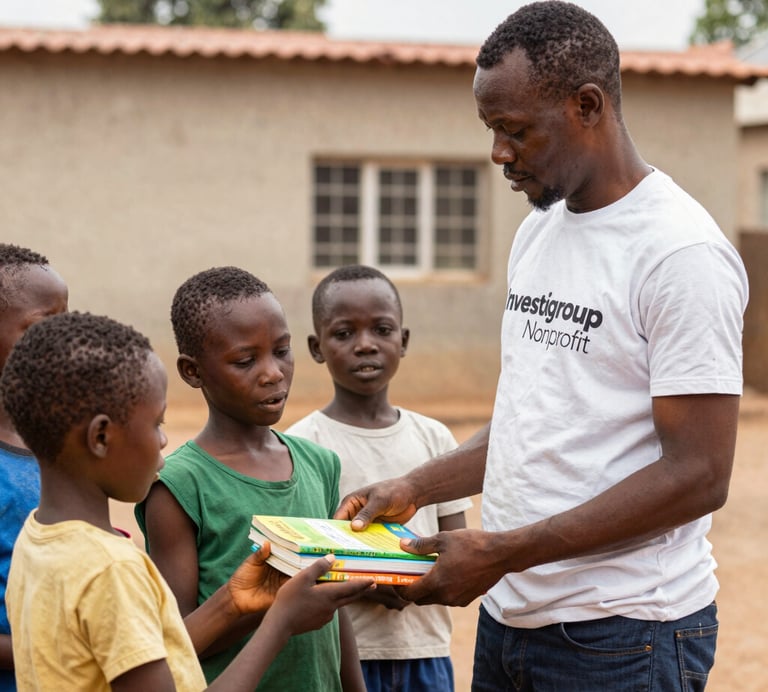
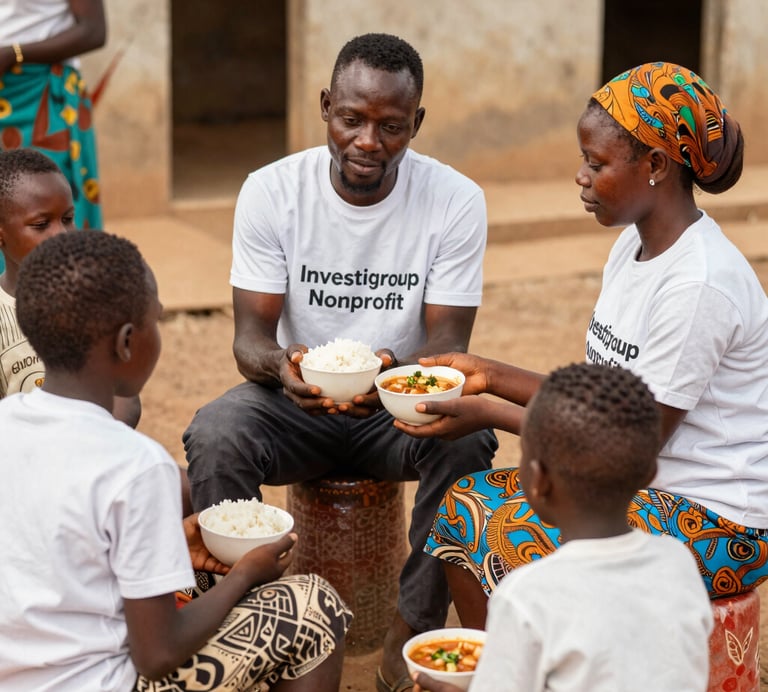
Investigroup NP a NJ Nonprofit Corporation is service oriented and always looking to help the community as well as going the extra mile of helping outside of the United States into Africa. The trustees of this organization were challenged to help hospitals in Ghana with their medical supplies needs when we took a trip to Ghana in December of 2005 to help supervise the Polio Immunization in the country on their National Immunization Days. Hence we will send medical supplies to the hospitals of Ghana to help out in their quest to fight diseases in the country. Apart from the Polio Project that we successfully undertook, there are several medical challenges the country faces that the provision of medical supplies and equipment will help alleviate.

The trustees include Laura Steelquist, Vivian Munene, Dr. John Steelquist, Dr. Charles Steilen, and Owusu Kizito.

Mrs. Laura Steelquist owns a medical supplies company and is also a dedicated Rotarian. She has donated and will continue to donate some medical supplies to Ghana to help the hospitals.

Vivian Munene works for a non-profit and is very passionate about the health care needs of the continent of Africa.

Dr. John Steelquist is a university professor and a dedicated Rotarian. He has traveled to many countries just to help in the humanitarian services. Our recent trip took us to Ghana where we helped with the polio immunization of the entire nation. His other trips in the services of Rotary have been Ethiopia, Philippines and India.

Dr. Charles Steilen is an international business consultant and also the dean of business School of Hawaii Pacific University. He is a very experienced traveler and understands the needs of the developing world. He very much looks forward to helping many African nations in fighting diseases that would translate into enhanced productivity for the continent.

Owusu Kizito is the founding member of this organization and a Business Consultant. He understands first hand the medical needs of the Ghanaian hospitals and was challenged to initiate this project, which has gained the support of many people and organizations.

A well-funded Investigroup NP a NJ Nonprofit Corporation would serve the community better by buying and donating medical supplies and equipments.

The table below indicates the health and demographic data of Ghana
Total population. mid-2005 22.0 million
HIV prevalence 15-49 2.2%
Tuberculosis death rate 52/100,000 population
Malaria death rate (children under 5) 448/100,000 population
GNI Per capita , 2004 2,280 (US$)
Life expectancy at birth 58 years
Infant mortality rate 64/1,000 live births
Total fertility rate 4.4 per woman
Crude birth rate 33/1,000 population
Crude death rate 10/1,000 population
Adult male literacy level 80% (pct. 15+ literate)
Adult female literacy level 63% (pct. 15+ literate)
Contraceptive prevalence rate, modern methods 19% of women in union
Estimated number of people living with HIV:
Adults and children, end 2003
350,000
Estimated number of people living with HIV:
Adults and children, end 2001
330,000
Estimated number of people living with HIV:
Adults (15-49), end 2003
320,000
Estimated number of people living with HIV:
Adults (15-49), end 2001
310,000
Estimated number of people living with HIV:
Adults (15-49) rate (%), 2003/2004
2.2%
Estimated number of people living with HIV:
Women 15-49, end 2003
180,000
Estimated number of people living with HIV:
Women 15-49, end 2001
170,000
Estimated number of people living with HIV:
Children (0-14), end 2003
24,000
Estimated number of people living with HIV:
Children (0-14), end 2001
22,000
AIDS deaths in adults and children, end 2003 30,000
AIDS deaths in adults and children, end 2001 26,000
Orphans due to AIDS (0-17), living 2003 170,000
Orphans due to AIDS (0-17), living 2001 140,000

Sources: Ghana Health Service; DANIDA; United Nations Statistics Division; IRIN Demographic data contained in this section was obtained from the following sources: The 2005 World Population Data Sheet of the Population Reference Bureau was used for total population, life expectancy at birth, infant mortality, fertility, birth rate, death rate, % of population 15-49 with HIV/AIDS and the GNI per capita (2002).