Building Bridges to Lasting Change
Join us in turning hope into action and real impact.
Our Impact
Connecting hearts and hands to create lasting change.
Medical Equipment Donations
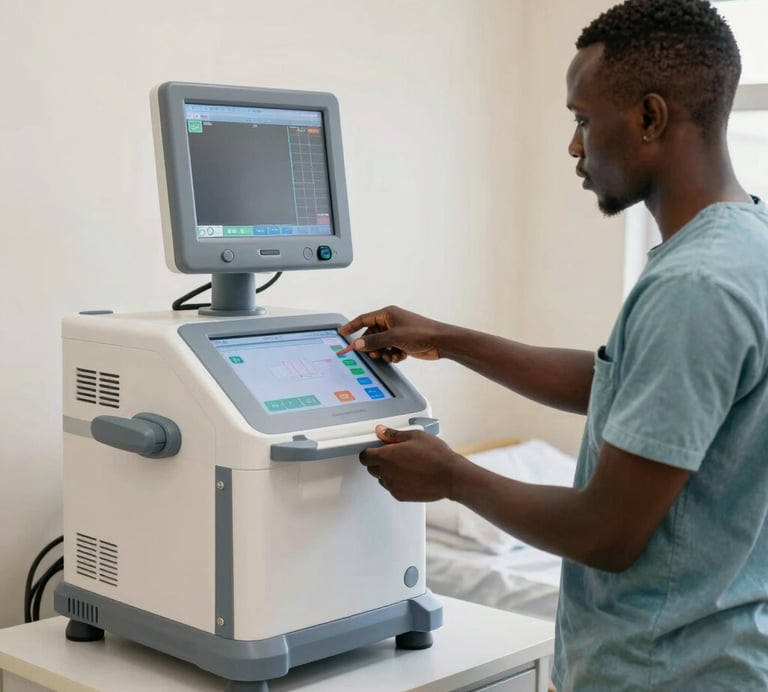
We provide essential medical equipment and supplies to hospitals and healthcare facilities, helping to improve patient care and save lives. By partnering with global donors and local institutions, we ensure that critical tools reach the communities that need them most.
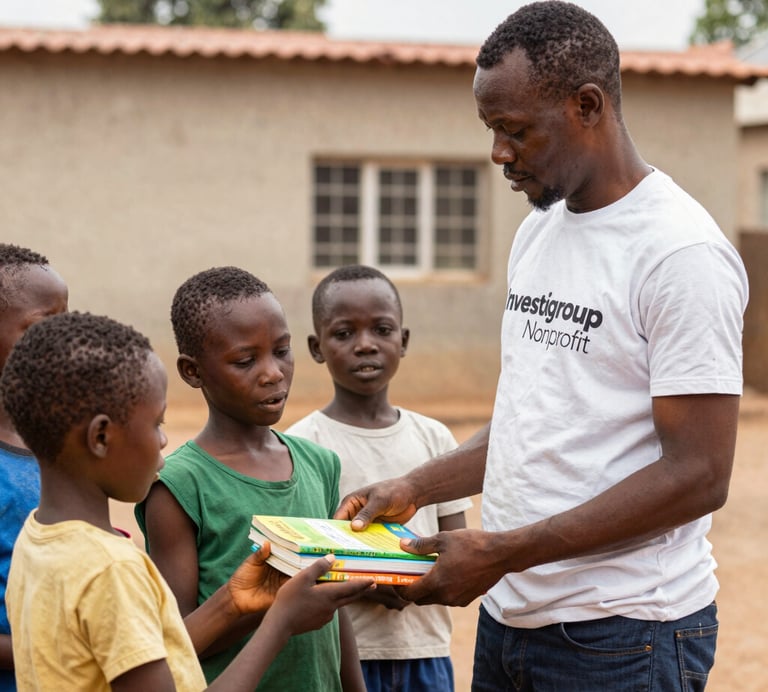
Educational Support Initiatives
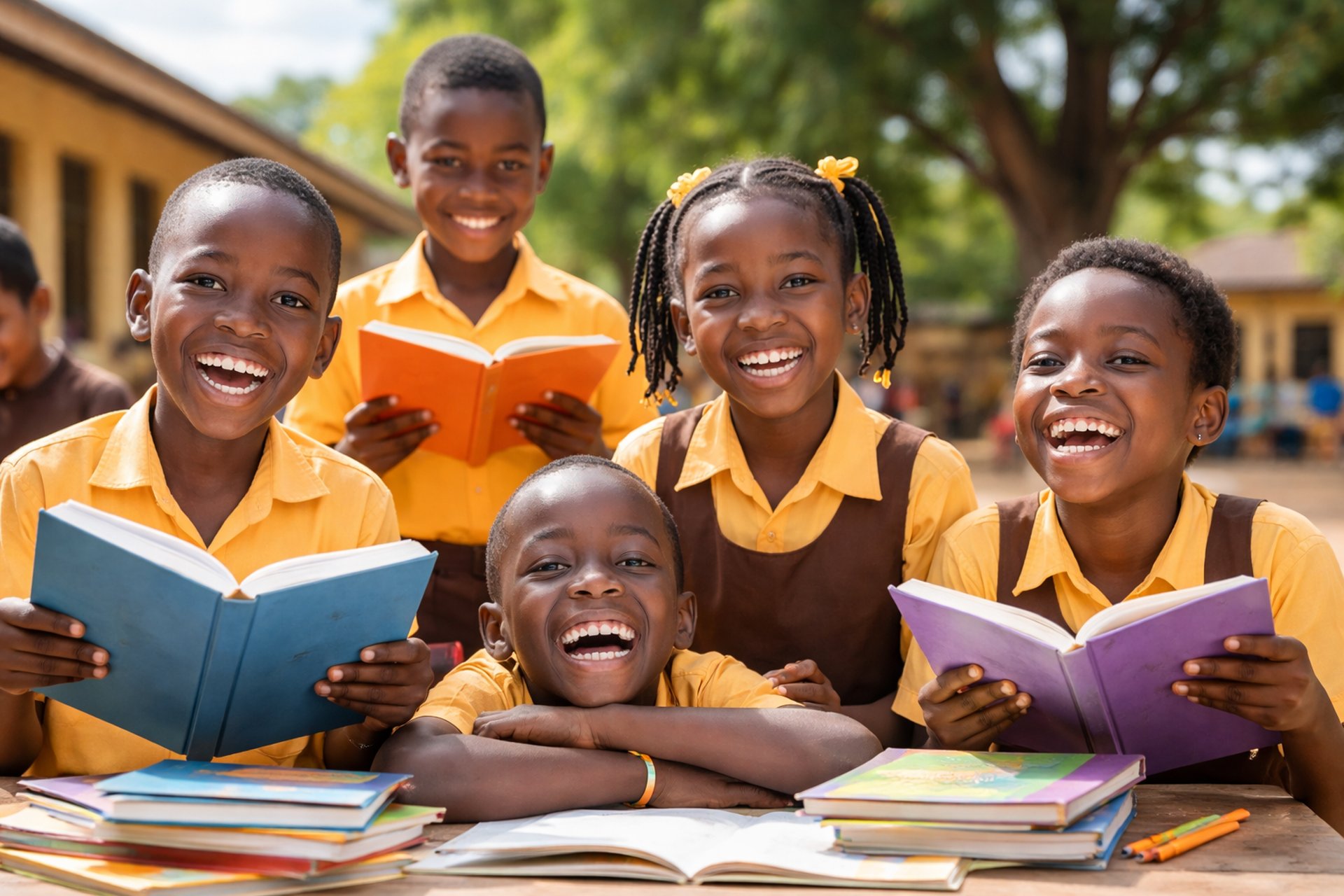
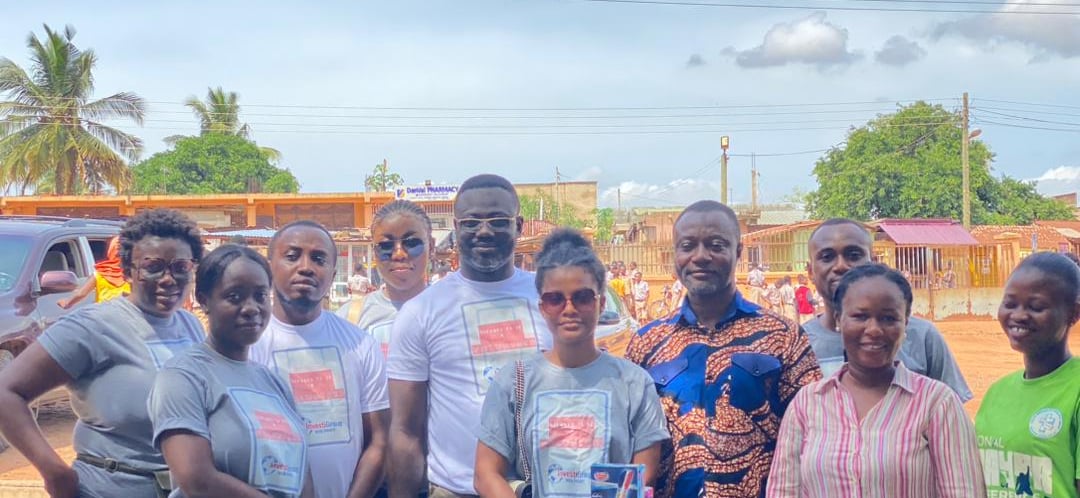
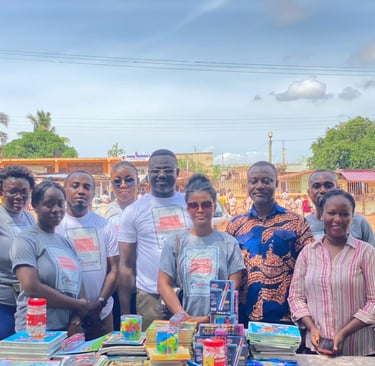
Our educational programs are designed to empower students and strengthen learning environments in underserved communities. Through the provision of learning materials, resources, and support systems, we help create opportunities for children and young people to thrive academically.
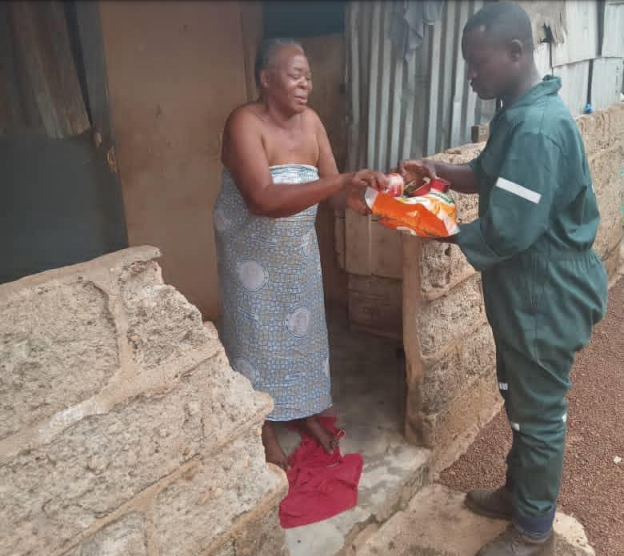
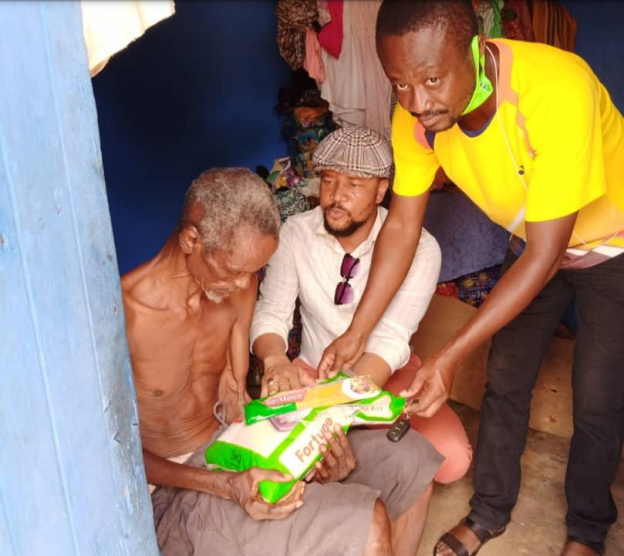
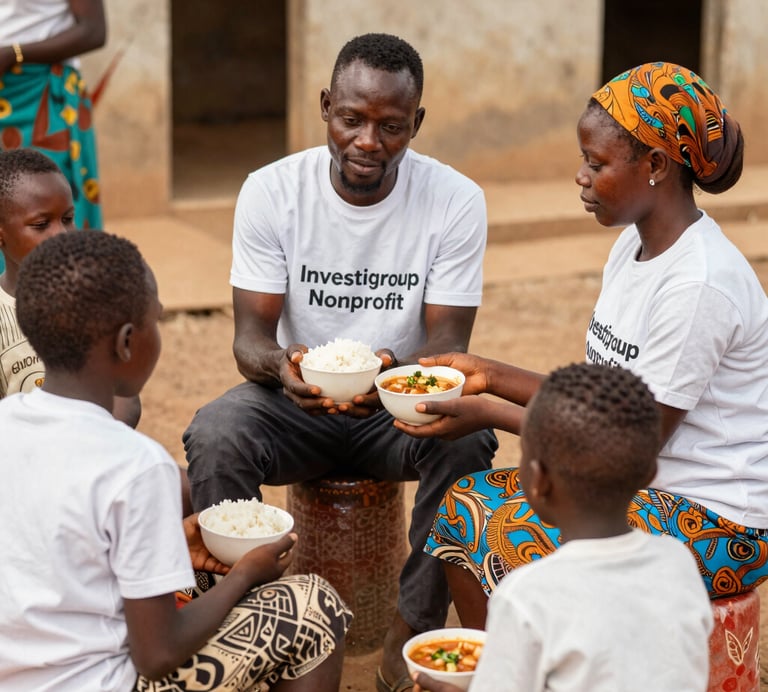
We deliver vital humanitarian support through food distribution programs and access to clean water. By providing meals to vulnerable communities and constructing boreholes for safe drinking water, we address immediate needs while promoting long-term health and sustainability.
Humanitarian Efforts

Investigroup Nonprofit changed how we connect with donors—our community feels truly heard and valued.
Anna K.


Thanks to Investigroup, our children have enough books to use in school.
Enyonam Dzidzornu
★★★★★
★★★★★
Connect Now
Reach out to impactbridge—let's build change together.